I’ve been to plenty of vendor events and briefings over the years but never an AWS Summit, so heading to London on Wednesday for the first time I genuinely don’t know what to expect. I’m planning to get there when doors open at 8am partly to beat the keynote crowds and partly because I’ve already had to make some hard choices about how the day runs.
Picking the Sessions
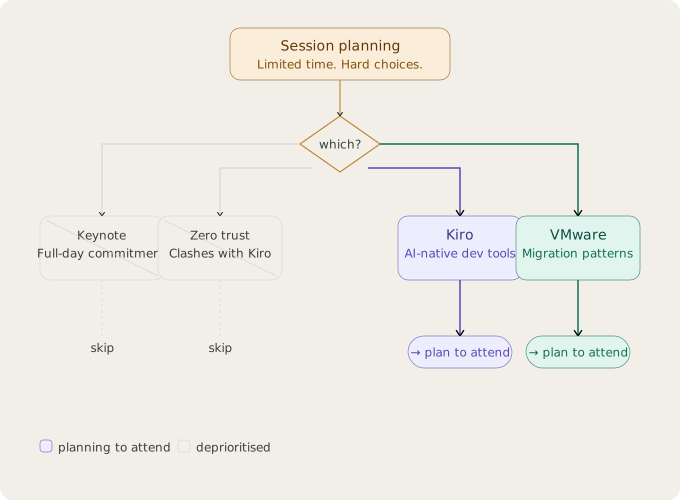
I had four sessions I wanted to attend: the keynote on agentic AI, a workshop on rapid prototyping with Kiro, a zero trust for AI security session, and a fast-track VMware migration workshop. Some run 2–3 hours, the zero trust session clashes directly with Kiro, and doing all of them would mean spending the entire day in rooms with no time to actually see any of it, so I’ve cut two. I’m skipping the keynote, which at my first AWS Summit feels like it should be a bigger deal than it is, and dropping the AI security session because it runs at the same time as Kiro and that’s not a close call. The keynote will be streamed and I’ll catch it later. The VMware workshop and Kiro are what I’m actually there for.
Why Kiro
Last year and earlier this year I attended some remote AWS sessions, which is part of what pushed me toward the AWS AI Practitioner cert, a natural next step from work I was already doing that gave me a clearer picture of where AWS was heading with AI tooling. Kiro came up in those sessions when it was still in preview, but I wasn’t working in a way where it was immediately relevant so I left it there.
As my day-to-day work has shifted further into agentic AI, the spec-driven approach that Kiro is built around has started to make a lot more sense. When you’re working with AI in real workflows rather than in isolation, defining the intent upfront and letting the tooling work from that is a different proposition to prompting your way to something and hoping the output is consistent. I’ve been doing enough of this now to understand why that distinction matters, which is why Kiro has gone from a session I’d probably skip to one I’m least willing to miss.
The VMware Workshop
Most of what I’ve seen on VMware migration to AWS over the last 18 months has been partner briefings and marketing decks. The direction is clear enough but the actual mechanics of how you do it at scale tend to disappear behind the messaging. A proper workshop where you get into the technical detail of what the migration actually involves is a different proposition, and I want to see what fast-track means when you get past the headline.
Everything Else
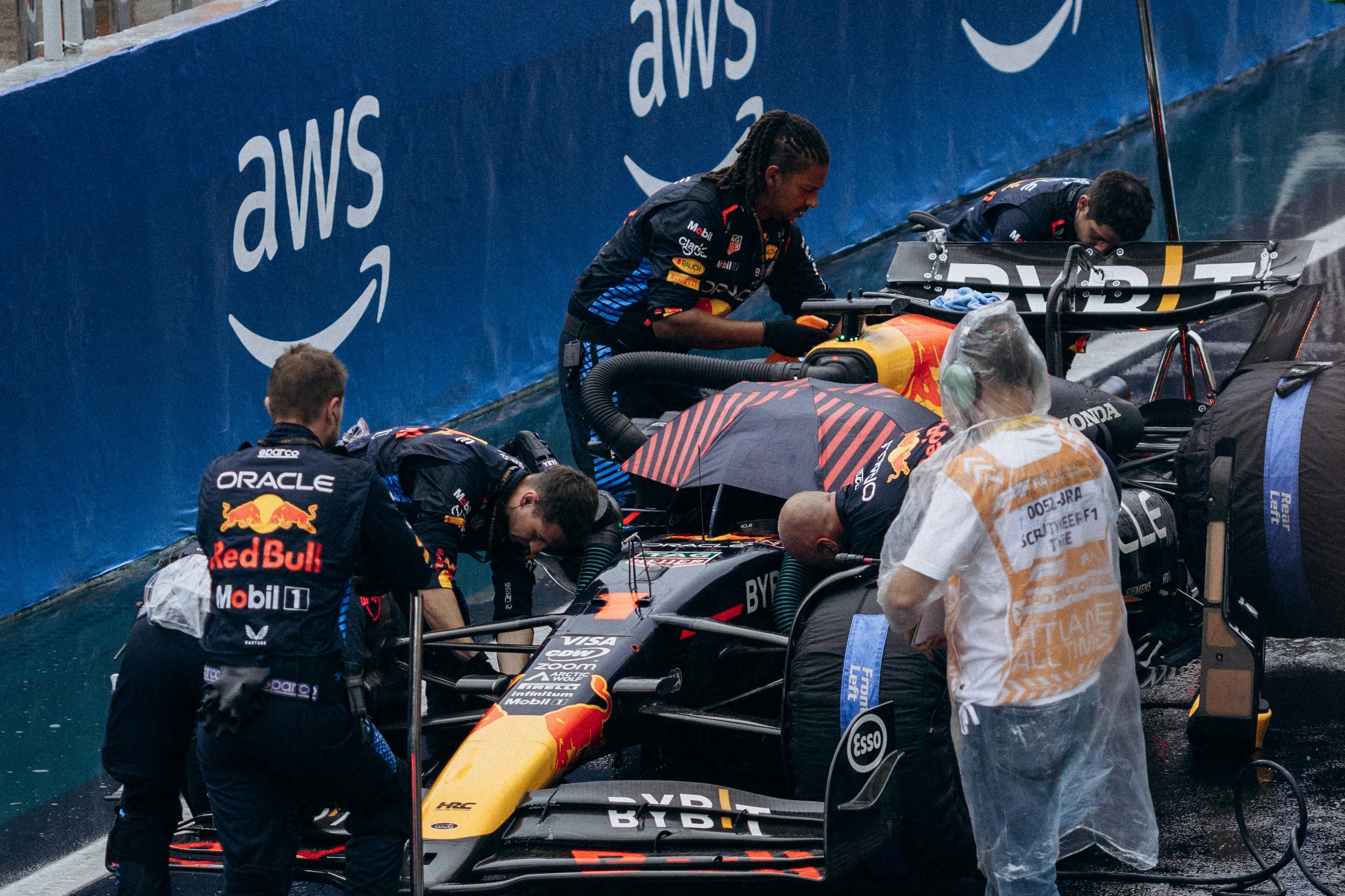
If the schedule gives me a window I’d like to get to the Sports Zone, which is where AWS runs its F1 partnership demos alongside NFL and NBA analytics. The F1 and AWS data partnership has been running long enough that there’s usually something genuinely interesting to look at rather than just branding, and apparently there’s a sweepstakes on the day for a Silverstone package to the British Grand Prix. I’m not going to pretend that isn’t a factor. Beyond that there’s an industry zone with live demos across financial services and retail, a startup zone, and a sustainability area with a Natural History Museum partnership, though whether I actually make it past the Sports Zone given my schedule is an open question.
What I’ll Be Watching For
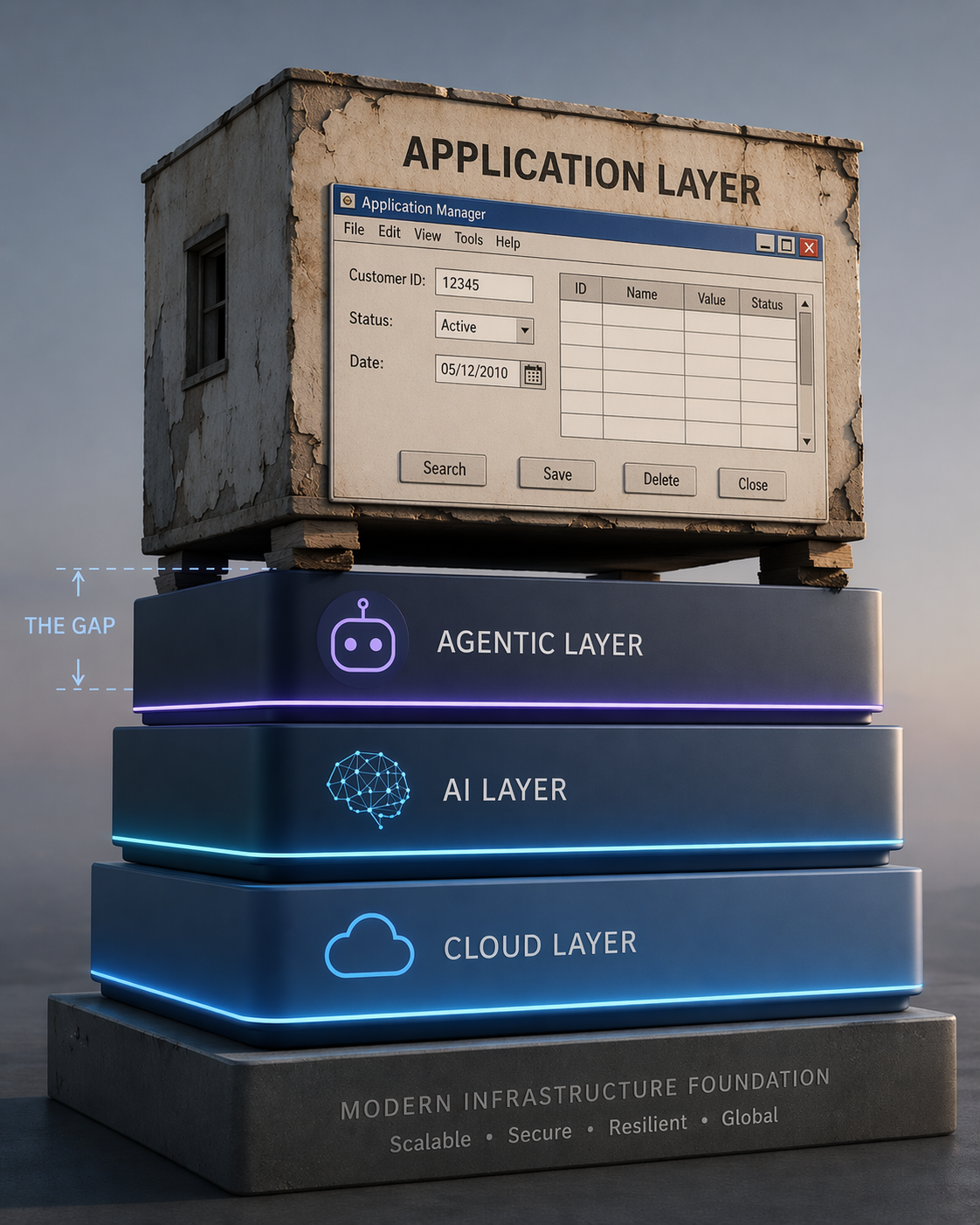
What I’ll be paying attention to across the day is whether the application layer appears anywhere in the conversation. The Summit narrative is very much infrastructure and AI capability, agentic systems, sovereign cloud, all of it moving fast. In my day-to-day work I spend a lot of time with the applications running on top of that infrastructure, and they’re frequently the part that doesn’t move when everything else does. You can have a well-architected AWS environment and still be running applications that were never designed for any of this.
I’ve also received several emails since I registered telling me to register and secure my spot, which I did weeks ago, so there’s a reasonable chance I’ll arrive at ExCeL at 8am and find out the system has no idea who I am.
After the event I wrote the follow-up in AWS Summit London 2026 Post-Summit.