My old Windows laptop started shutting itself down in the London flat during one of the Covid heatwaves. It had enough CPU for what I was asking it to do, Windows still booted and the applications still opened, but the machine could not keep itself inside its thermal limits in the room.
Cleaning the fans and repasting the CPU were the fixes that still felt mechanical, the sort of thing you could do with a small screwdriver, a tube of thermal paste and the belief that dust or bad contact was the problem. ThrottleStop came after that, because by then I was trying to get more control over the Dell’s CPU throttling and power behaviour when it hit its limits, before it decided the situation was unsafe and shut itself down. The cooling pad helped a bit, but only in the way extra airflow helps when the air being pushed around is already too warm.
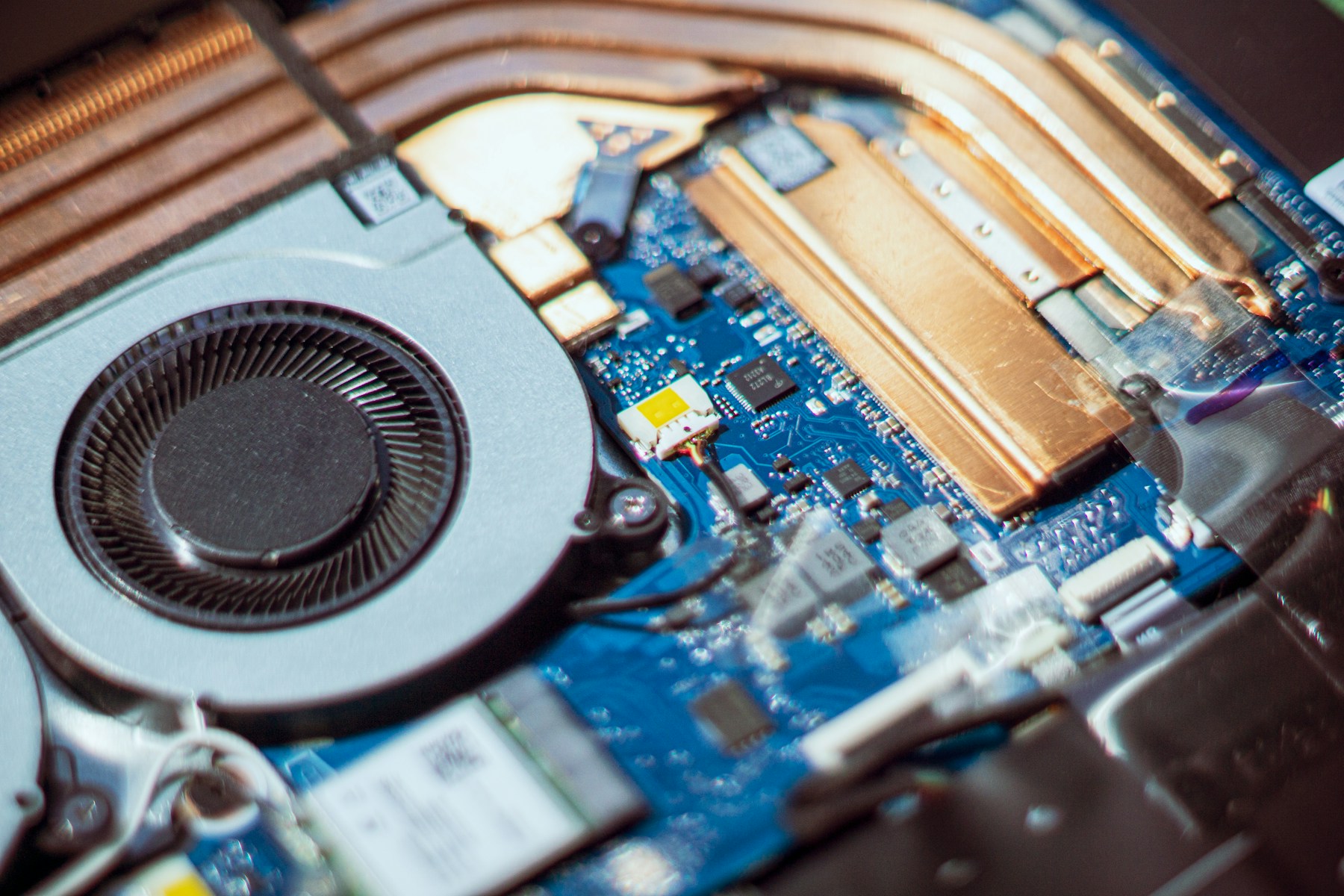
Cleaning the path out of the laptop helped, but it did not change the temperature of the room it was rejecting heat into.
I could clean the path the heat took out of the machine and improve the contact between the chip and the cooler, but I could not turn a London flat in a heatwave into a cooled machine room. The area outside the laptop had become part of the laptop’s reliability, and that was the bit I had the least control over.
The UK is in another heatwave this week, only weeks after the last one, which is probably why the laptop came back to mind. I was not debugging an application fault by then, or chasing a bad driver. I was trying to keep a machine alive by improving the route between a hot chip and a hot room, and every fix stopped due to the room being too hot.
That does not make a laptop and a data centre the same thing. The scale is different, the engineering is complicated, and the people running data centres have monitoring and cooling systems around the problem that I obviously did not have in a flat. But the work underneath is still heat being moved away from machines fast enough to keep them inside the limits they were designed for.
Cambridge’s Dawn supercomputer was taken offline during the late-June heatwave after technical issues at the West Cambridge data centre, and research jobs using the machine were paused, including cancer and climate work. The reports said no data was lost, which matters, but no data loss is not the same as no impact. If the work is paused because the machine is unavailable, the availability problem has already happened.

At larger scale the same dependency becomes infrastructure: cooling, power and physical location all shape availability.
In Northern Virginia in May, Reuters reported that overheating at a single AWS data centre caused a rapid temperature spike, knocked out power and affected companies including Coinbase, while AWS was bringing additional cooling capacity online. ITPro reported that the disruption affected one availability zone in US-EAST-1, with EC2 instances and EBS volumes on impacted hardware affected by power loss during the thermal event. The service names are cloud names, but the failure underneath was still heat, cooling and power in a specific place.
I am not going to start putting cooling diagrams into every architecture note I write, but I do think I will be slower to treat the physical part as someone else’s problem just because it sits outside the diagram. That was the mistake I made with the laptop, I treated the room as background until the machine started turning itself off.