Nobody defers a hardware refresh because they think the replacement will be cheaper later, they defer it because the thing still works and there’s never quite a reason to spend the money. That used to be a free position to hold. I keep deciding not to replace my home machine, the same 2013 i5-4670K I wrote about when I couldn’t containerise my home server, and it still runs everything I ask of it, which is exactly why spending anything on it feels hard to justify. What’s changed since I last wrote about it is that the floor under the replacement is rising while I sit here not making the decision.
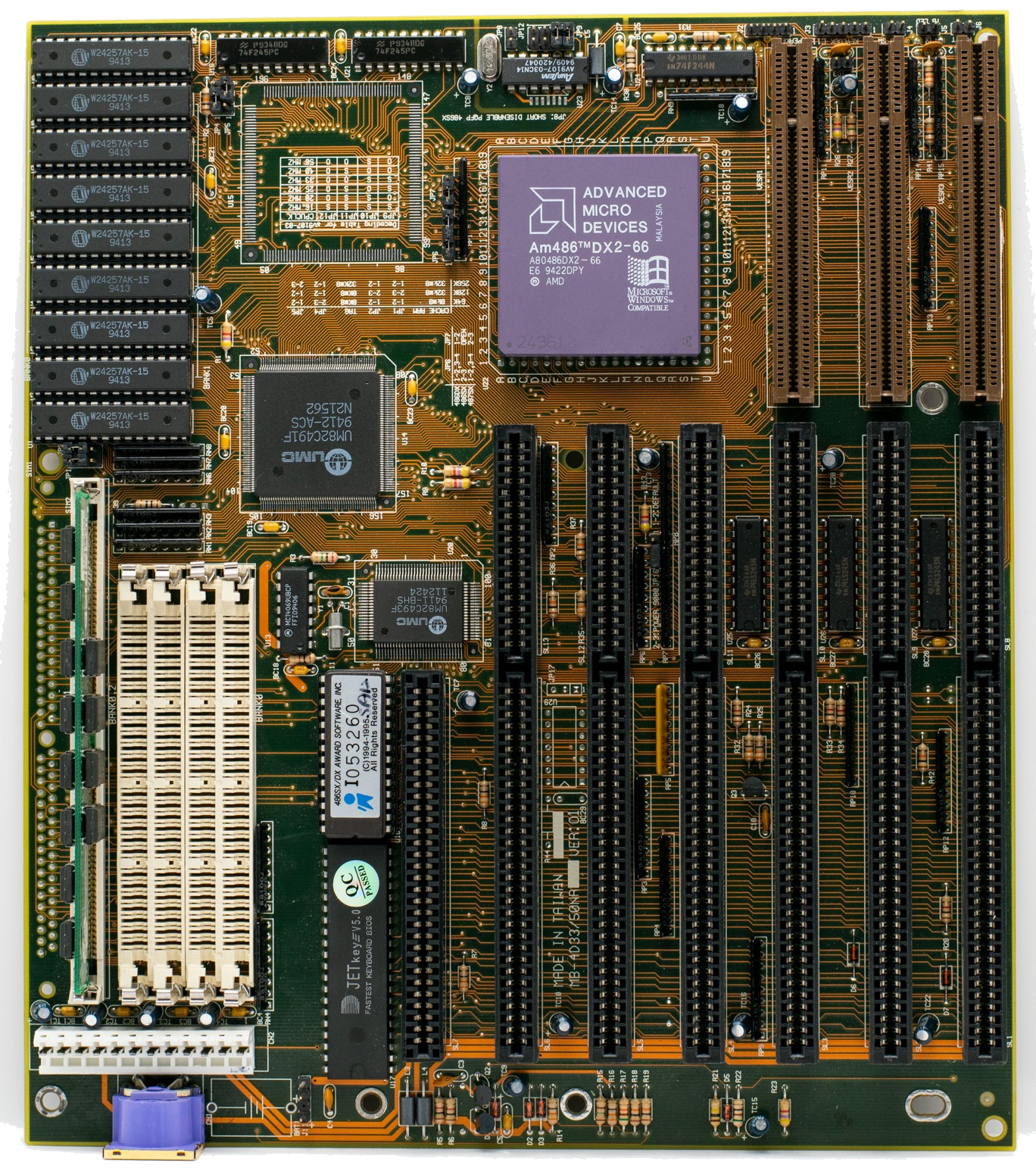
Old hardware keeps looking serviceable until the replacement window starts moving underneath it.
The Steam Deck I bought a couple of years ago makes the point better than my home PC does, because Valve put it up by as much as 45% on the 27th of May, the 1TB OLED I own going from $649 to $949 on hardware that hasn’t changed since 2022. The cause is the RAM and storage shortage, with AI data centre demand pulling memory away from everything else. The same machine I already paid for now costs hundreds more than it did when I bought it, and I haven’t done anything except keep using it.
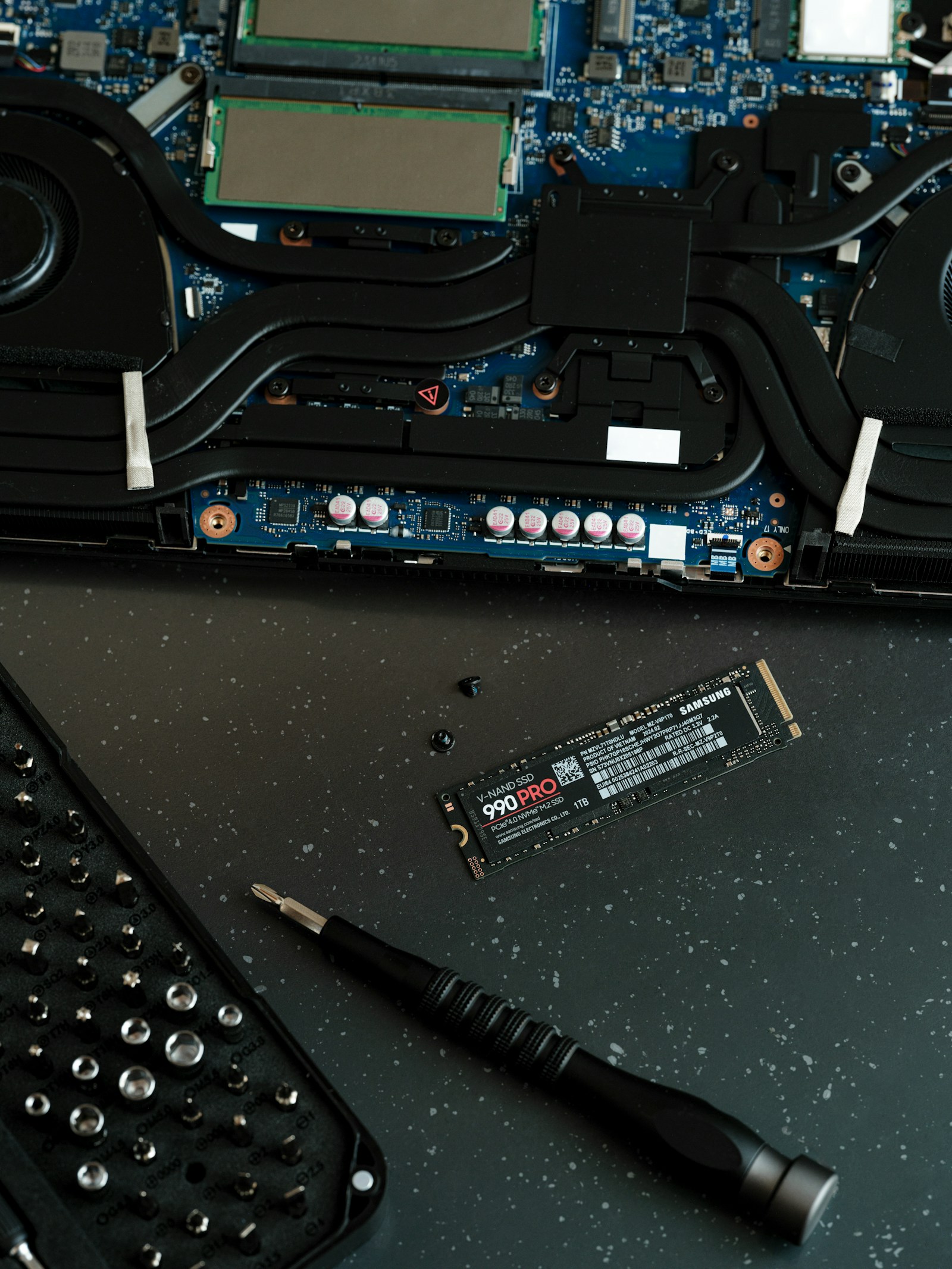
The parts market is part of the lifecycle conversation, even when the machine itself still works.
My work laptop got refreshed in the last year, which was a relief after years on one that ran hotter than the sun, and rather than retire the old machine I’ve kept it running alongside the new Mac as a test box. I’m actually on it as I write this, checking Windows workflows myself instead of waiting for someone else to hit the problem and report back. The machine I was glad to stop using every day didn’t get decommissioned, it just found a second job. It works and it’s useful for something, so nobody starts the conversation about getting rid of it.
That’s the same calculation organisations make, scaled up and with a lot more riding on it. Hardware gets kept because it does what it’s always done, and the refresh gets deferred because nothing looks broken and there’s no event triggering the spend. Deferring like that used to cost nothing while you waited. What’s changed is that the replacement gets more expensive the longer the decision sits, so the hold that felt free is running up a bill in the background, and at org scale that bill is a few thousand machines rather than one.
Migration readiness work tends to look hard at the applications and barely at the lifecycle state of what’s running them. You can map every dependency an app has and still be sitting on hardware a year from a support cliff, and the assessment won’t flag it because nothing’s failed yet. The app inventory is the part everyone does, and the hardware underneath it gets left on the same “it still runs” logic I use on my own machine, except an organisation isn’t one person putting off a purchase, it’s thousands of those holds stacked on top of each other, all getting more expensive at the same time.