I was listening to the Era Vulgaris album before a Queens of the Stone Age gig, and it put me back in Birmingham between finishing secondary school and starting university. The technology I had then was a 17-inch gaming laptop running Vista, and I chose it over a desktop because I wanted something I could take with me. (A possible error given how heavy it was) It came to the US with me for my second year of university in 2008, and once I’d bought some cheap speakers it was the entire setup for the year, because the screen was big enough that I didn’t need anything else. Before that I’d never had my own machine at all, I shared a PC with my brother.
I moved to London in 2011, and for the first few months I navigated on directions written on my phone. I’d look at the boards in the station and work out where I was on the map, or if I was heading home from somewhere I’d get on someone’s computer or phone, then look the route up, and write the directions down. That lasted until I got a Samsung Galaxy S2, which I bought because getting around London without navigation was not workable.
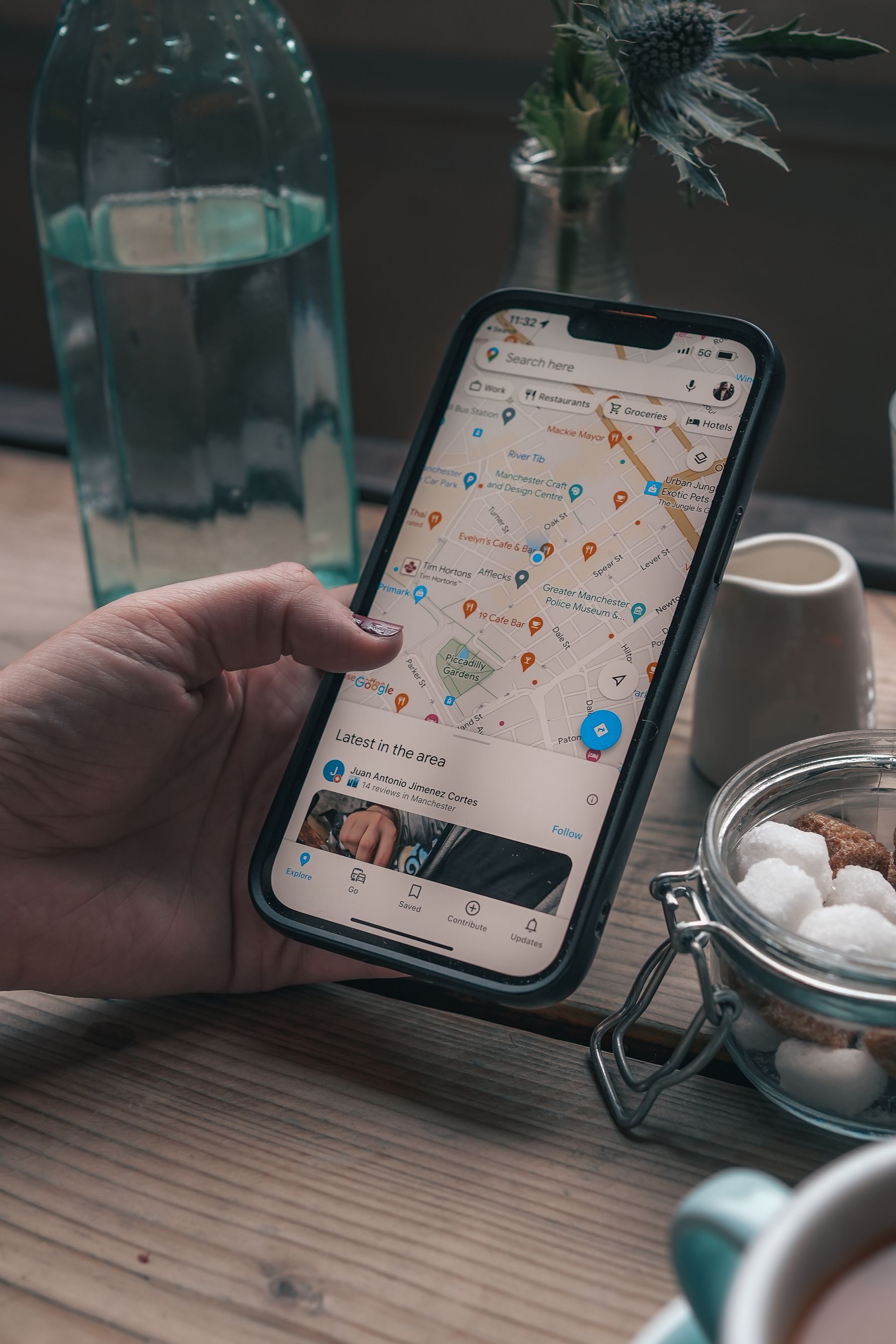
The map was already in other people’s hands while I was still copying the route onto my phone.
This was not a technology gap, as turn-by-turn navigation had been on Android since 2009. Google Maps had been on phones since 2005, and the iPhone was already four or five years old. There were people on the same platform as me, going to the same places, doing it from their phone while I was copying street names down on mine. That one I did notice, because London made it impossible not to.
What the predictions actually said
I watched a lot of Tomorrow’s World growing up, and I’d assumed it was on around the same time as the laptop, which it wasn’t. The show ran from 1965 to 2003, so anything I saw was as a child in the nineties at the latest. I’d remembered it as flying cars and it wasn’t, it had the home computer and the touchscreen on it well before either was ordinary, and there’s a 1967 segment where the narrator relays a forecast that within twenty years all new houses would be built with special computer points, which is a broadband router, forty years early.
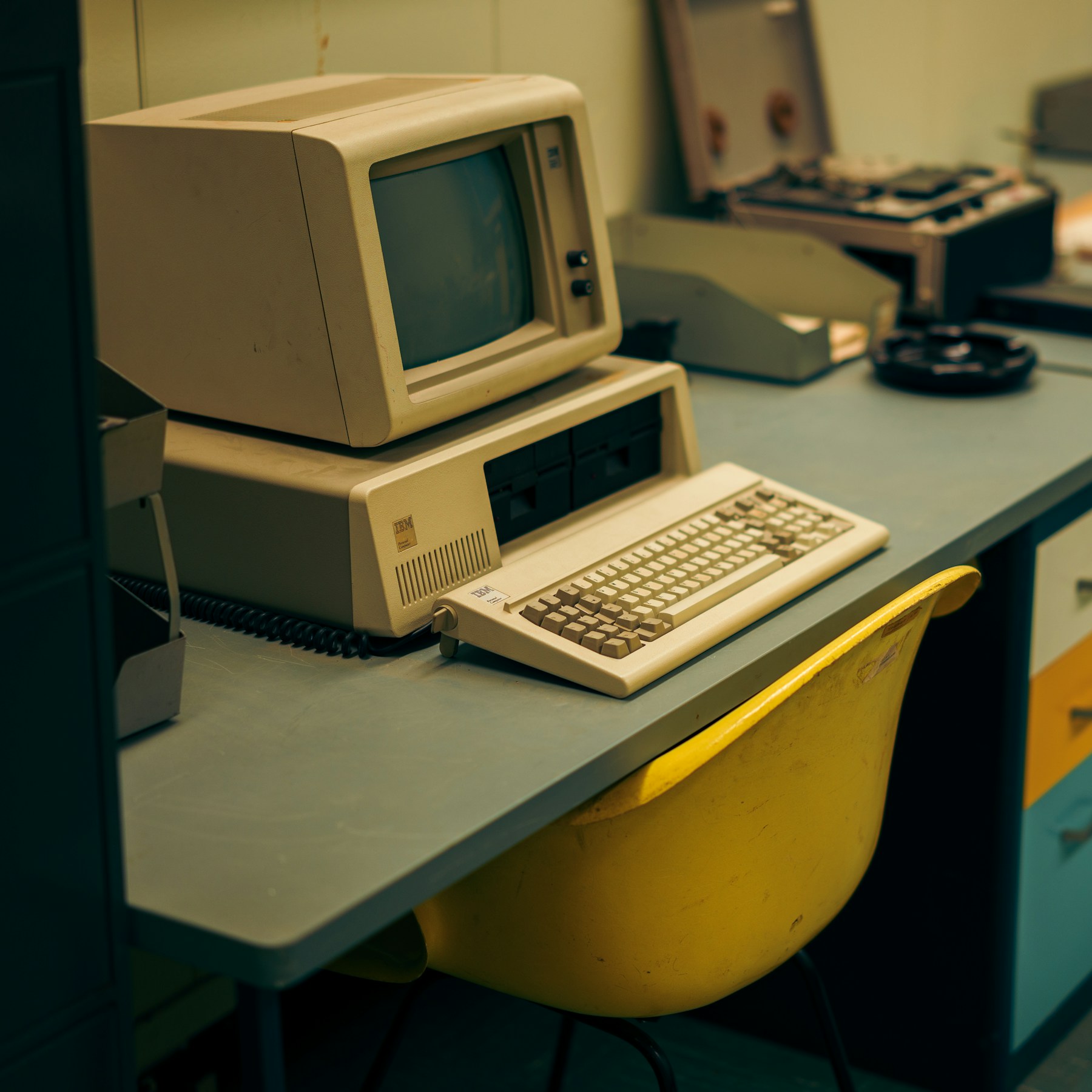
The home computer was visible as a prediction long before its eventual place in everyday life was obvious.
Maggie Philbin, who presented the show, wrote about the archive going online and said she’d love to claim she recognised the significance of these technologies straight away, but the technology was often fragile or incomplete, a mixture of space age and Stone Age, and the real potential was hidden. She was holding the first mobile phone on television and could not tell what it was going to become.
In December 2008, Pew and Elon University published a survey asking over a thousand internet experts, builders and analysts to react to scenarios set in 2020. Of the expert group, 77% agreed that the mobile device with significant computing power would be the primary internet connection for most people in the world. It was an opt-in survey rather than a random sample, so it tells you what informed people expected rather than what was statistically representative, which is the part I wanted. One respondent, looking at the Nokia N95 and the iPhone, described taking all your gear and wrapping it into one pocket device: computer, phone, camera, radio, video projector, GPS. The N95 had GPS in it in 2007. Someone wrote it on that list in 2008, and I was still copying street names onto my phone in 2011.
The same survey had 64% expecting interfaces built around talk, touch and typing by 2020, with a few adding a fourth T for think. Pew notes the panel split fairly evenly on voice recognition specifically and was much more positive about touch and gesture, which had just been pushed forward by the iPhone and the multitouch surface computing that appeared in 2007 and 2008. Voice is the one they were least sure about.
Sarah Connor and the training data
I was watching Terminator: The Sarah Connor Chronicles when it first aired in January 2008, which is the same window as everything else here, and I went back to it recently. The AI in it is not the AI I remembered. There’s a lot about systems being trained, about language and learning as the thing being worked on, and it lines up more closely with what exists now than the killer robots I remembered it for. At the time none of it registered as a prediction, it was set dressing on a show about a woman and her son being chased.
Years later, at work, I was setting people up with Dragon NaturallySpeaking, which was expensive, needed configuring per person, and was the specialist option if someone needed to dictate. This piece started as me talking into my phone in a Brummie accent, for free, with a transcript that came back accurate enough that I only had to fix names. There was no point at which I thought the Dragon problem had been solved, I just stopped thinking about Dragon.
What this leaves me with
The broadband my brother and I were desperate for is now the slower option compared to the phone, and I never noticed that changing.
Which is why I’m careful about my own read on where AI is now. The 2008 predictions were mostly decent on what would exist and bad on how it would feel when it turned up, and the two that missed hardest, the digital walls and the robots taking over physical work, both assumed you would be able to point at the change when it happened. I have a reasonably strong instinct at the moment that a fair amount of the current AI conversation is overstated.
The gig was last week and I listened to Era Vulgaris on the way in, on a phone that does most of what that survey described.